


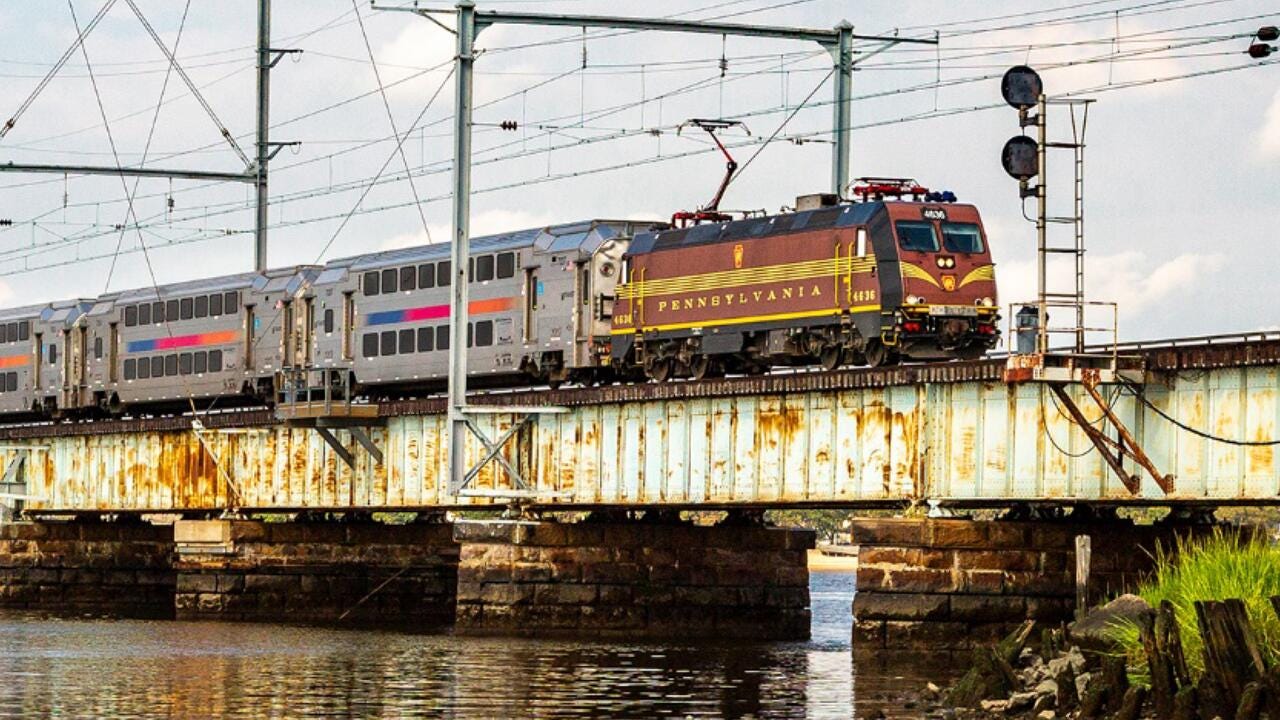
I have been a frequent user of public transportation for a while. I have utilized a wide variety of buses and trains, which include NJ Transit, Metro-North, D.C. Metro, NJT Light Rail, and Amtrak. When I use the latter four services, I rarely have any issues. Occasionally, there are some brief delays that are external, but unfortunately, a very common problem with public transportation. However, nothing compares to the constant fiscal disaster that is New Jersey Transit. NJT combines infrastructure problems, frequent delays, and steep fares, resulting in a mediocre product for a premium price.

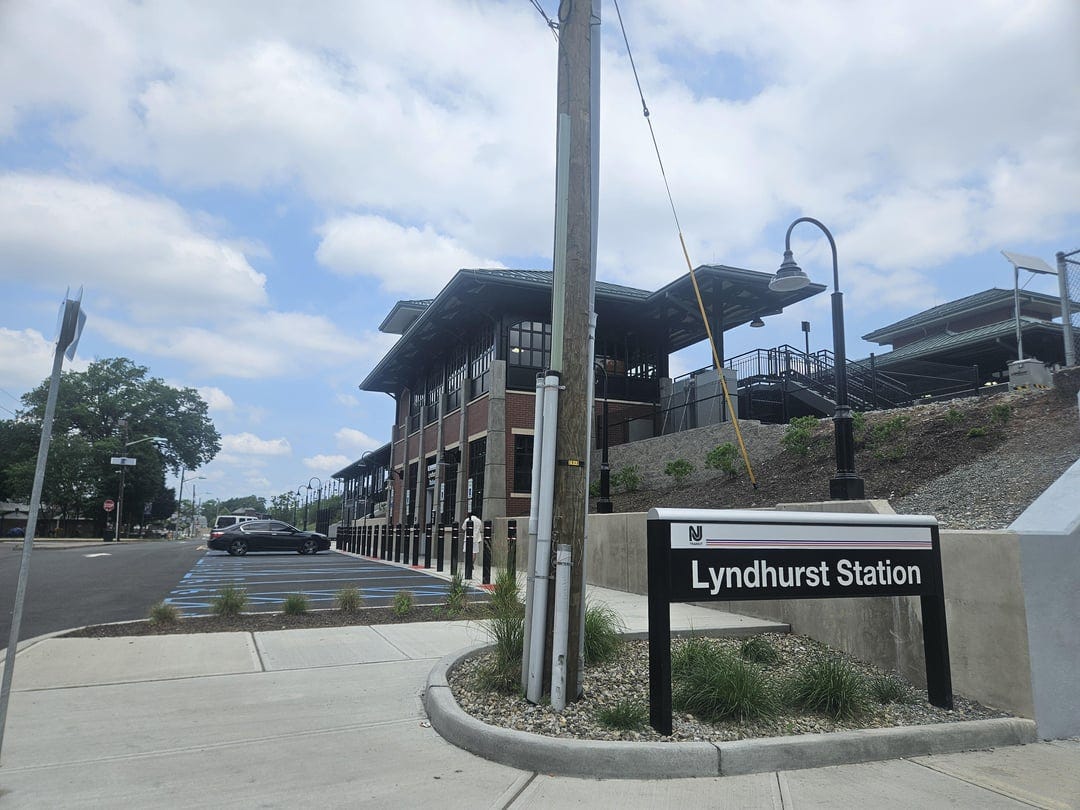
Infrastructure problems have belittled NJT for a long time. Stations are falling apart, rails are in desperate need of repair, and outdated overhead wires need to be replaced. NJT is making strides for commuters to have a better experience. For example, NJT built a new Lyndhurst station that opened officially in early June to replace the old Lyndhurst station and Kingsland station. Both were originally part of the now former Erie-Lackawanna Railroad, which is now integrated into the NJT Main Line from Hoboken to Suffern, NY. The new Lyndhurst station is ADA accessible for those with disabilities. This is a significant improvement over the former stations that were not ADA accessible. Kingsland was also in disrepair, and it would have cost NJT too much to repair. While the new Lyndhurst Station is a sign of hope, the same can not be said about one of NJ’s flagship stations.
Another station that needs major repairs is Newark Penn Station. The building, which was originally built in 1935, is in disarray. The inside is incredibly outdated, the bricks are falling out of place, and to make matters worse, Newark Penn uses the same electrical power supply from when it was originally built. This is not what you expect from NJ’s busiest rail station. Instead of investing money to repair the station, nothing has been done. NJT did launch an initiative to modernize the station, but little progress has been made. When fiscal year 2026 started on July 1, NJT fares increased by 3%. In FY 2025, there was a 15% increase. Yet, the building is in desperate need of repair, which is an insult to every commuter who uses the station frequently. NJT is also falling behind in terms of replacing old infrastructure compared to other regional public transportation agencies.

The PATH did this the right way earlier this year. They raised fares by 25 cents one way and revitalized the Hoboken PATH Station, showing that the fare increase was used properly. Meanwhile, how is it that the Port Authority of New York and New Jersey, which operates the regional PATH line, gets it right, but NJT, which owns and operates Newark Penn, is not able to provide significant infrastructure to one of its flagship train stations? NJT can effectively compete with other agencies if it revitalizes an underrated part of its rail network.
An excellent way for NJT to compete with the PATH is for them to promote the use of their very underrated Light Rail system. There are three light rails in the state: the Hudson-Bergen Light Rail (HBLR), which connects North Bergen-Hoboken-Bayonne, the Newark Light Rail, which is primarily used as the subway system for the city of Newark. Last but not least is the River Line Light Rail, which connects Trenton to Camden. From my experience using the HBLR, it is extremely convenient since it is right next to where all the trains go in Hoboken Terminal, giving easy access to Weehawken and Jersey City for weekend meetups with friends.
This past March, America’s Future published a piece where I exposed the corruption behind public transportation. In it, I mention how congestion pricing would hurt everyday commuters who work in NYC. Their only option, if they are able to, is to use public transportation to avoid having to pay the insane prices for traveling into the city. I do mention in the piece that it is “important to explore alternative solutions” to avoid congestion pricing. While the alternative is the cheaper option, it also comes with a few downsides.
Instead of dealing with traffic, customers have to deal with train derailments, and outdated infrastructure is often a symptom of these agencies being in a massive amount of debt. Lastly, customers often ride trains with dirty windows, which are so filthy that no one can see out of them. The filth on the windows has been caused by the UV sunlight, trains arriving late, and constant infrastructure issues have made NJT unbearable. The other day, on my way to New York Penn Station for an event, the windows were so filthy that you could barely see out of them. Yet, it seems that raising the fares for commuters is the only way to pay off debt while neglecting the experience quality for customers.
I get it, public transportation is not perfect, and it never will be. However, many problems can be easily changed by bringing a fiscally responsible approach. Right now, NJT is a disastrous experience for many everyday commuters. Let’s keep pushing to make the public transportation in this state more reliable and accessible to everyone.
To learn more about my work, please visit my website.
Listen to The Anthony Miragliotta Show on Spotify.
Follow New Jersey Outlook on X.